
The biggest shock the movie business has witnessed in 2025? The resurgence of horror as a dominant force at the British cinemas.
As a genre, it has remarkably outperformed previous years with a 22% year-on-year increase for the UK and Ireland film earnings: £83,766,086 in 2025, against £68,612,395 in 2024.
“In the past year, not a single horror movie hit £10 million in UK or Irish theaters. Now, five have achieved that,” notes a film industry analyst.
The top performers of the year – a recent horror title (£11.4m), Sinners (£16.2m), The Conjuring Last Rites (£14.98 million) and the sequel to a classic (£15.54m) – have all hung about in the theaters and in the public consciousness.
Even though much of the professional discussion centers on the unique excellence of prominent auteurs, their triumphs indicate something shifting between moviegoers and the style.
“Viewers often remark, ‘This is a must-see regardless of your genre preferences,’” states a content buying lead.
“Such movies experiment with style and format to produce entirely fresh content, connecting with viewers on a new level.”
But apart from aesthetic quality, the ongoing appeal of frightening features this year indicates they are giving audiences something that’s greatly desired: therapeutic relief.
“Right now, there’s a lot of anger, fear and division that’s being reflected in cinema,” says a film commentator.
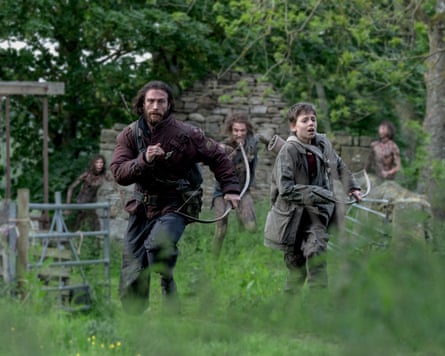
“The genre masterfully exploits common anxieties, magnifying them so that everyday stresses fade beside the cinematic horror,” explains a prominent scholar of classic monster stories.
In the context of a real-world news cycle featuring geopolitical strife, enforcement actions, extremist rises, and ecological disasters, ghosts, monsters, and mythical entities strike a unique chord with viewers.
“Some research suggests vampire film popularity correlates with financial downturns,” states an actress from a recent horror hit.
“It’s the idea that capitalism sucks the life out of people.”
Historically, public discord has always impacted scary movies.
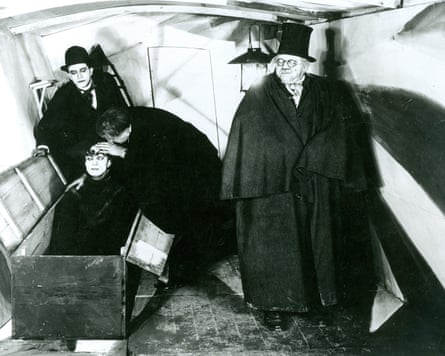
Experts reference the rise of early cinematic styles after the first world war and the chaotic atmosphere of the early Weimar Republic, with films such as classic silent horror and the iconic vampire tale.
Later occurred the economic crisis of the 30s and classic monster movies.
“The classic example is Dracula: you get this invasion of Britain by someone from eastern Europe who then causes this infection that gets spread in all sorts of ways and threatens the Anglo-Saxon heroes,” notes a commentator.
“Therefore, it embodies concerns related to foreign influx.”
The specter of border issues inspired the newly launched supernatural tale a recent film title.
The creator clarifies: “I wanted to explore ideas around the rise of populism. Firstly, slogans like ‘Let’s Make Britain Great Again’, that harken back to some fantasy time when things were ‘better’, but only if you were a rich white man.”
“Also, the concept of familiar individuals revealing surprising prejudices in casual settings.”
Perhaps, the present time of praised, culturally aware scary films started with a clever critique debuted a year after a contentious political era.
It ushered in a new wave of visionary directors, including a range of talented artists.
“That period was incredibly stimulating,” comments a director whose film about a violent prenatal entity was one of the time's landmark films.
“In my view, it marked the start of a phase where filmmakers embraced wildly creative horror with artistic ambitions.”
The director, currently developing another scary story, continues: “In the last ten years, public taste has evolved to welcome bolder horror concepts.”
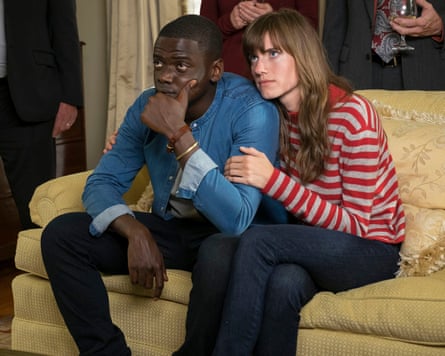
Simultaneously, there has been a revival of the overlooked scary films.
Recently, a nicke l venue opened in the capital, showing obscure movies such as a quirky horror title, The Fall of the House of Usher and the late-80s version of Dr Caligari.
The fresh acclaim of this “rough and rowdy” genre is, according to the venue creator, a straightforward answer to the formulaic productions churned out at the box office.
“It counters the polished content from big producers. The industry has become blander and more foreseeable. Numerous blockbusters share the same traits,” he explains.
“Conversely, [such movies] appear raw. As if they emerged straight from the artist's mind, untouched by studio control.”
Scary movies continue to disrupt conventions.
“Horror possesses a dual nature, feeling both classic and current simultaneously,” says an authority.
Alongside the return of the deranged genius archetype – with several renditions of a classic novel imminent – he forecasts we will see horror films in the coming years responding to our current anxieties: about tech supremacy in the near future and “vampires living in the Trump tower”.
In the interim, a biblical fright story The Carpenter’s Son – which narrates the tale of Mary and Joseph’s struggles after Jesus’s birth, and includes well-known actors as the holy parents – is scheduled to debut soon, and will definitely cause a stir through the faith-based groups in the America.</


